
How to Choose the Right Cooking Class for Kids
Cooking classes can help kids develop essential skills like math, patience, and teamwork while encouraging healthier eating habits and building confidence. To pick the best class for your child:
- Match the class to their age group: Younger kids (3–5) thrive on sensory activities, while older kids (6–16) benefit from structured lessons and advanced techniques.
- Prioritize safety: Look for programs with certified instructors trained in first aid and CPR.
- Evaluate instructors: Choose teachers with culinary expertise and experience working with kids.
- Consider class format: Options include single-session workshops, multi-week programs, or themed camps. Smaller class sizes (1:2–1:6 ratios) ensure better guidance.
- Hands-on focus: Classes where kids actively cook, rather than just observe, are the most effective.
For example, Chef Prep Kitchens offers youth culinary camps for kids aged 8–16, focusing on skill-building, safety, and interactive learning. A good cooking class can help your child gain practical skills, confidence, and a love of cooking.
Finding Age-Appropriate Cooking Classes
When choosing a cooking class for your child, the key is to make sure it aligns with their developmental stage. An eight-year-old's needs in the kitchen are vastly different from those of a fifteen-year-old. Wendy Harrelson, a former director and teacher specializing in early child development, explains:
"Age appropriate. A class for an eight year old is going to be quite different from a class for a fifteen year old. They may seem the same to start but may progress at different speeds."
Matching Classes to Age Groups
The best cooking programs often divide students into age-specific groups, ensuring the lessons are tailored to their developmental abilities.
- Toddlers and preschoolers (ages 3–5): These young learners thrive in classes that focus on sensory exploration. Activities like mixing ingredients and decorating cookies are ideal for this age group.
- Elementary-aged children (ages 6–10): Kids in this range are ready for more structure. They can practice basic skills, such as following simple recipes and learning beginner knife techniques. This is also a great time to introduce foundational concepts like the difference between cooking and baking.
- Tweens and teens (ages 11–16): Older kids are equipped to handle more advanced techniques and tackle complex recipes, making this the perfect stage for honing their culinary skills.
Activities for Different Ages
Once you've identified the right age group, it’s important to ensure that the curriculum and tools are tailored to their needs. For toddlers and preschoolers, hands-on sensory activities like mixing dough or decorating treats are perfect for keeping them engaged. Elementary-aged children benefit from tasks that involve following step-by-step instructions, helping them build confidence in the kitchen. Meanwhile, tweens and teens can dive into more challenging recipes and start mastering advanced techniques.
The goal is to find classes that strike the right balance - challenging enough to keep your child motivated but not so difficult that it becomes overwhelming. Classes that are too simple may bore kids with advanced skills, while overly complicated lessons can frustrate beginners, potentially dampening their enthusiasm for cooking.
Checking Safety Measures and Protocols
When evaluating a facility, make sure safety is a top priority. Check that the instructors are trained in first aid and emergency procedures. Additionally, confirm that the staff members meet national certification standards to ensure a secure environment.
Certifications and Emergency Preparedness
The Florida Department of Children and Families emphasizes the importance of having certified staff on-site:
"At least one staff member with current certification in First Aid and Cardiopulmonary Resuscitation (CPR) must be present at all times that children are in care. The First Aid and CPR certification must be obtained from a nationally recognized organization (e.g., American Heart Association, American Red Cross, National Safety Council, etc.)."
Ask for proof of these certifications to ensure compliance with the guidelines.
It's also important to review the facility's emergency action plan. Find out how they address common kitchen accidents like cuts, burns, or choking. Ask about their procedures for contacting parents and emergency services. This will give you peace of mind that the facility is well-prepared for unexpected situations.
Checking Instructor Qualifications and Teaching Style
When it comes to cooking classes for kids, the instructor's qualifications and teaching style can make all the difference. A skilled teacher can spark a lifelong love for cooking, while the wrong one might leave your child uninterested or discouraged. Beyond basic credentials, it’s essential to find someone who connects with young learners and understands how to make the experience enjoyable and rewarding.
Key Qualifications to Consider
Start by looking for instructors with professional culinary training and food safety certification. Many top-notch teachers have degrees from respected culinary schools or years of experience working in established restaurants. A solid foundation in food safety is equally important, so look for certifications like ServSafe or similar programs that cover critical topics like proper food handling, temperature control, and contamination prevention. This is especially vital when teaching children who might not naturally follow safety rules.
But cooking skills alone aren’t enough. Experience working with kids is just as important. The best instructors often have backgrounds in education, youth programs, or even summer camps. Some may hold teaching credentials or child development certifications. Make sure to ask about their experience with your child’s specific age group, as teaching younger children requires a different approach than working with teens.
It’s also a good sign if the instructor participates in ongoing professional development, whether in culinary techniques or child education, to stay sharp and up-to-date.
Teaching Styles That Engage Kids
The best cooking instructors for children use an interactive demonstration approach. They break down complex tasks into smaller, manageable steps and guide kids through each one. For example, instead of simply saying, “Make pasta dough,” they’ll show how to measure the flour, crack the eggs, and mix everything together, step by step.
Positive reinforcement is another hallmark of a great teacher. They celebrate kids’ efforts - whether it’s holding a knife correctly or flipping a pancake successfully - focusing on progress rather than perfection. This encouragement builds confidence and keeps kids motivated.
What really sets exceptional instructors apart is their adaptability. Kids learn at different speeds and have varying attention spans. A great teacher adjusts on the fly, offering extra help to those who need it or providing more challenging tasks for advanced learners.
To make the class even more engaging, some instructors incorporate storytelling and games. They might share fun facts about ingredients or the cultural origins of a recipe, turning the lesson into an adventure. Activities like math games while measuring or friendly cookie-decorating contests can make cooking memorable and fun.
Communication and Approachability
Pay attention to how the instructor interacts with children during a trial class. Do they get down to the child’s level, using encouraging language and showing patience when mistakes happen? A teacher who naturally connects with kids will create a supportive and enjoyable learning environment.
Clear communication is also essential. The best instructors explain concepts in simple, age-appropriate terms, avoiding confusing culinary jargon. They combine clear verbal instructions with visual demonstrations to ensure kids understand each step.
Look for teachers who radiate enthusiasm and energy. Kids are naturally drawn to instructors who smile, use expressive gestures, and show genuine excitement about cooking. This kind of passion is contagious and can inspire even the most hesitant child to dive into the kitchen.
Lastly, observe their classroom management skills. A good instructor keeps the class structured but fun, setting clear expectations while maintaining a relaxed atmosphere. They know how to redirect behavior positively and keep every child engaged from start to finish.
Before committing to a class, take the time to speak with the instructor and gauge their communication style and compatibility with your child’s personality. A good match ensures that your child not only learns kitchen skills but also gains confidence and enjoys the process.
sbb-itb-929839e
Comparing Class Formats and Hands-On Opportunities
The structure of a cooking class can play a big role in shaping your child's learning experience. Different formats cater to various learning styles and schedules, so it's important to consider what aligns best with your child's needs and your family's routine. Each format has its own perks, making it worth exploring which one suits your child’s personality and interests.
Common Class Formats
Single-session workshops are perfect for kids (and parents) who want a quick, no-commitment introduction to cooking. These classes, typically lasting 2-3 hours, focus on mastering a single skill or recipe - think homemade pizza or cupcake decorating. They’re especially great for younger kids with shorter attention spans or those just dipping their toes into the world of cooking.
Multi-week programs are designed for kids who thrive on consistency and enjoy building their skills over time. These classes usually meet weekly over 4-8 weeks, covering everything from basic knife techniques to more advanced recipes. Kids not only gain confidence as they progress but also develop connections with their instructor and classmates.
Summer camps and intensive programs take the experience to the next level. Running for 3-5 days, with several hours of cooking each day, these programs dive deep into the culinary arts. They often include meal planning, grocery shopping, and advanced techniques, making them ideal for kids who already have a passion for cooking and want to immerse themselves in it.
Themed workshops add an exciting twist by focusing on specific cuisines, holidays, or techniques. Examples include Italian pasta-making, holiday cookie decorating, or outdoor grilling. These workshops can ignite curiosity about different cooking styles and keep the experience engaging and fun.
While the format sets the stage, the level of hands-on involvement is what truly makes a class impactful.
Why Hands-On Learning Matters
The best cooking classes prioritize active participation, where kids aren’t just watching but actually doing - measuring, chopping, stirring, and tasting. This hands-on approach helps children develop muscle memory and sensory skills, like knowing when dough feels right or when onions are perfectly caramelized. These are the kind of intuitive cooking skills that can’t be learned by observation alone.
For the most effective experience, each child should have their own workspace and ingredients. While teamwork has its place, individual tasks ensure every child gets to practice each skill. When researching classes, ask about how much time kids will spend actively cooking versus watching demonstrations. The goal is for them to be involved as much as possible.
Hands-on learning also reinforces safety. By practicing skills like proper knife handling or stovetop techniques, kids gain confidence and learn to cook safely under supervision. This approach not only builds their abilities but also aligns with the instruction standards discussed earlier.
Checking Class Size and Student-to-Instructor Ratio
Class size and the level of personal attention are critical for hands-on learning. Smaller groups allow instructors to provide the guidance and supervision kids need, especially in a cooking environment. Research from the University of Minnesota highlights that a 1:2 instructor-to-student ratio is ideal for skill-based activities, with diminishing returns as more students are added.
For cooking classes, look for ratios between 1:2 and 1:6. Younger kids or beginners benefit most from smaller ratios, like 1:2 or 1:3, where instructors can closely monitor knife skills and stove safety. Ratios up to 1:6 can work well for older or more experienced kids who need less constant supervision.
Avoid programs with ratios higher than 1:8. In larger groups, it’s harder for instructors to provide individual attention, and some kids may end up as passive observers rather than active participants. This diminishes the hands-on experience that makes cooking classes so valuable.
Smaller class sizes also create a more supportive atmosphere. Shy kids often feel more comfortable asking questions and experimenting in smaller groups, while more outgoing kids may enjoy slightly larger classes for the social interaction. The Tennessee STAR Project found that students in smaller classes showed better engagement and skill development, which translates well to cooking classes.
When evaluating a program, ask about their maximum class size and whether they maintain consistent ratios. Some programs may start small but expand as demand grows, potentially compromising the quality of instruction. Look for programs that cap enrollment to ensure every child gets the attention they need.
Finally, consider your child’s personality. Introverted kids often thrive in smaller groups where they feel less overwhelmed, while more extroverted children might enjoy the buzz of a slightly larger group. Either way, the right environment can make all the difference in their cooking journey.
Spotlight on Chef Prep Kitchens' Youth Culinary Programs
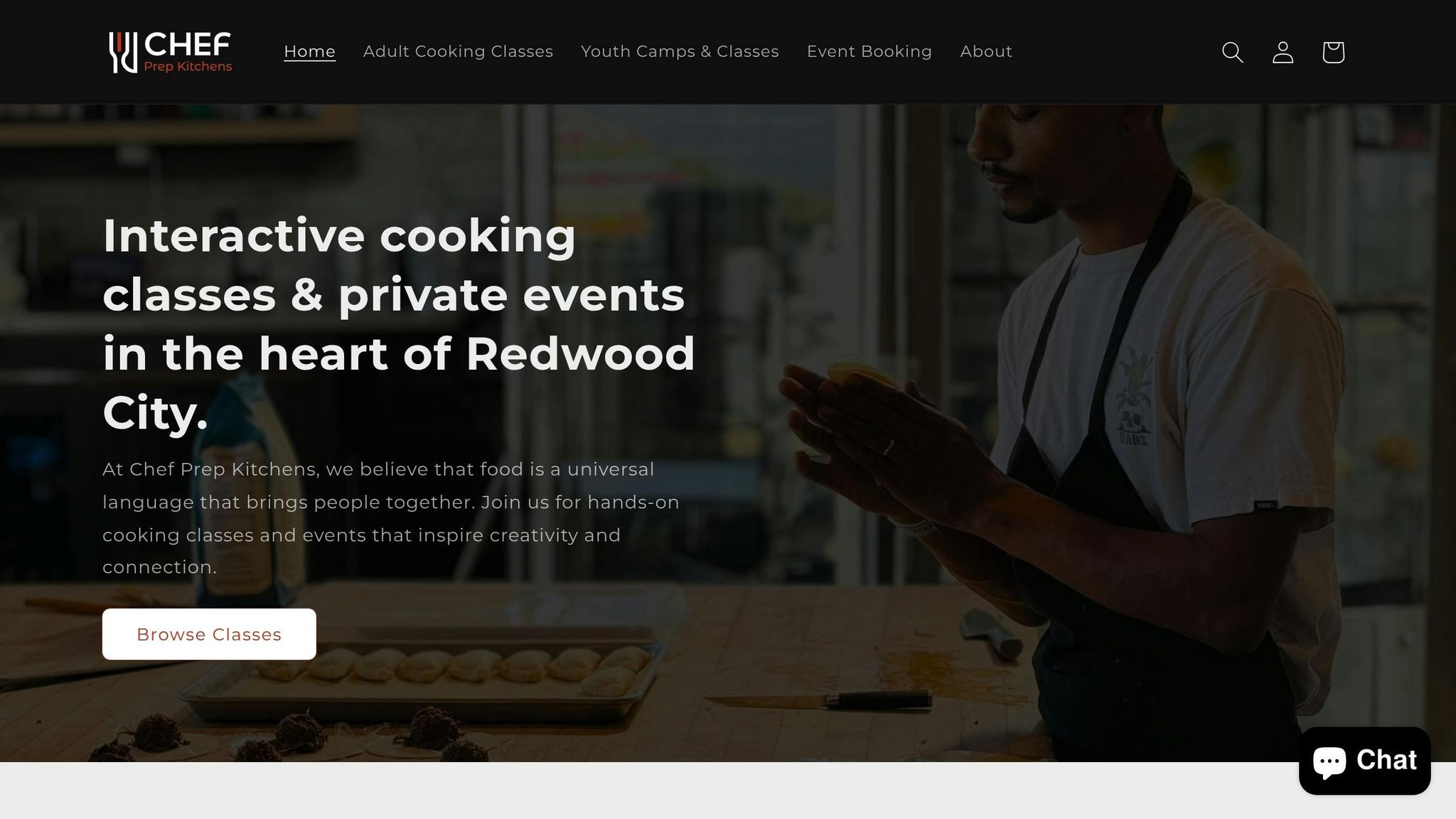
Chef Prep Kitchens in Redwood City has crafted a youth culinary program that hits all the right notes. With a mission centered on bringing families together through food, the program provides hands-on cooking experiences that are both enriching and fun.
"At Chef Prep Kitchens, we believe that food is a universal language that brings people together. Join us for hands-on cooking classes and events that inspire creativity and connection."
Let’s take a closer look at what makes this program an exciting culinary adventure for young chefs.
What Chef Prep Kitchens Offers
Chef Prep Kitchens runs Youth Culinary Camps tailored for kids aged 8–16. These camps combine learning and fun, offering interactive sessions that help kids build confidence and explore their creativity. Each session is thoughtfully designed to meet developmental needs, with a strong focus on safety and quality instruction.
One standout feature is their themed cooking classes, which introduce young chefs to global cuisines. For instance, sessions like "Flavors of Mexico" teach participants authentic techniques and ingredients, giving them a taste of world cultures while sharpening their cooking skills.
In addition to camps, Chef Prep Kitchens hosts customizable private events, including birthday parties and special celebrations. These events turn ordinary gatherings into hands-on culinary adventures, where kids can create delicious dishes and make unforgettable memories.
Why Choose Chef Prep Kitchens
Chef Prep Kitchens offers the perfect blend of convenience and expertise. Located locally, the program provides all the materials needed, and classes are led by a Culinary Institute of America graduate with over a decade of experience. Their small-group format ensures personalized attention and high-quality instruction.
The program’s success is reflected in glowing reviews, including a 5.0 out of 5 stars rating on Yelp. One happy participant shared:
"Great class and experience! I booked a cooking class as a team building night and it was such a fun way to work together in a new way. We made three different types of empanadas and all were delicious! As a novice cook myself I feel much more confident in the kitchen with the skills I learned at the class and I can't wait to book another one! Thank you Chef!!" - Sammy B.
Chef Prep Kitchens caters to a variety of needs, from small-group classes to larger events hosted at venues around Redwood City. This flexibility ensures there’s something for everyone, whether it’s a focused learning experience or a lively culinary celebration.
Conclusion: Finding the Right Cooking Class for Your Child
When it comes to picking the perfect cooking class for your child, there are four main things to keep in mind: age-appropriate activities, strong safety measures, experienced and kid-friendly instructors, and opportunities for small-group interaction.
Start by ensuring the class matches your child’s age and skill level. Safety should always be a top priority - look for programs with clear dress codes, solid emergency plans, and instructors trained in first aid and CPR. These details can make a big difference in creating a safe and enjoyable experience.
The instructors play a huge role, too. Choose classes led by teachers who know how to connect with kids, keep them engaged, and adapt to their unique needs. Small class sizes are another plus, as they allow for more one-on-one attention, helping kids gain confidence and sharpen their skills.
Hands-on learning is essential. Classes that encourage kids to dive into cooking tasks not only teach techniques but also spark creativity. An interactive, supportive environment helps young chefs feel more confident while mastering the basics.
Chef Prep Kitchens’ youth culinary camps are a great example of programs that check all these boxes. They provide well-supervised, engaging activities, supply all the tools your child will need, and offer flexible scheduling to fit busy family lives. Their camps are designed to help kids grow practical skills while having fun in a creative and safe setting.
The right cooking class can do more than teach your child to cook - it can inspire creativity, build valuable life skills, and create memories they’ll treasure. Take the time to visit potential classes, ask about safety protocols and instructor qualifications, and choose a program that offers hands-on, supportive learning.
FAQs
What safety measures should I consider when picking a cooking class for my child?
When choosing a cooking class for your child, safety should be at the top of your list. Make sure the class provides constant adult supervision, enforces proper handwashing routines, and uses age-appropriate tools like kid-friendly knives and utensils. These elements create a safe space for kids to explore cooking.
Additional precautions to look for include keeping hot surfaces and sharp objects out of children’s reach, ensuring long hair is tied back, and teaching proper techniques for handling hot liquids and cookware. These steps not only minimize risks but also help kids gain confidence and learn valuable cooking skills in a secure environment.
How do I know if a cooking class instructor is qualified to teach children?
When choosing a cooking class instructor for kids, it's essential to consider their qualifications. Look for certifications in child education, culinary training, or experience teaching children. Hands-on experience, such as running youth programs or working in similar educational settings, can also show their ability to connect with and teach young learners effectively.
Equally important is verifying that the instructor has completed background checks and child safety clearances. This ensures a secure and reliable environment for your child.
What should I think about when choosing between single-session workshops and multi-week cooking classes for kids?
When choosing between single-session workshops and multi-week cooking classes for kids, it’s important to think about the kind of learning experience you want for your child. Multi-week programs allow kids to gradually build their skills, practice consistently, and gain confidence in the kitchen. On the flip side, single-session workshops are a great way to spark their interest in cooking or explore something new without requiring a long-term commitment.
It’s also worth considering your child’s energy level and attention span, as most sessions run between 90 minutes and 2 hours. Don’t forget to factor in your own schedule and your child’s enthusiasm - are they ready to dive into a series of classes, or would a one-time session suit them better? The right choice ultimately depends on what feels like the best fit for your child’s needs and interests.